Every coin is an option

000
N°001Launch coins paired with options
Every market is a vertical spread issued as two coins against one dollar. The call side pays in full above the upper strike and the put side pays the rest.
n.001WHATn.001
N°001Launch coins paired with options
A market with no writer to find, no margin to post and no counterparty to trust. The collateral is minted with the coins and it never leaves until somebody redeems it.
n.002HOWn.002
  • The pair
  • The life
01

The pair

SplitPoolMerge

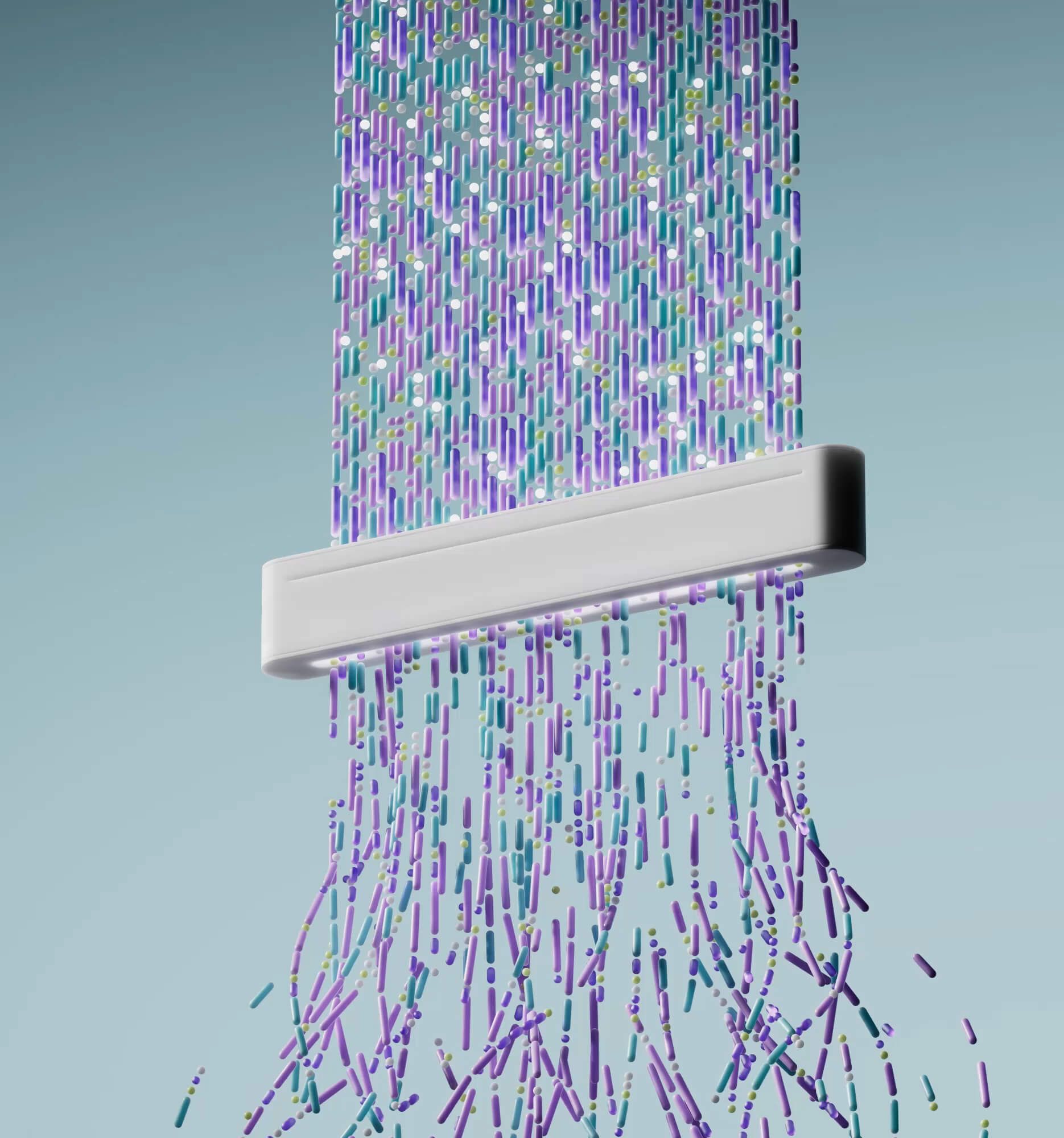
One dollar mints one call coin and one put coin. Together they always pay exactly a dollar, so the pair can always be merged back at par.

Between the two sides sits a pool holding coins and no dollars at all. Its price is the reserve ratio, so it can never be drained of cash it does not hold.

One call and one put go back into a dollar at any time, including after expiry. That is what pins the two prices to a hundred cents between them.
02

The life

LaunchTradeSettle

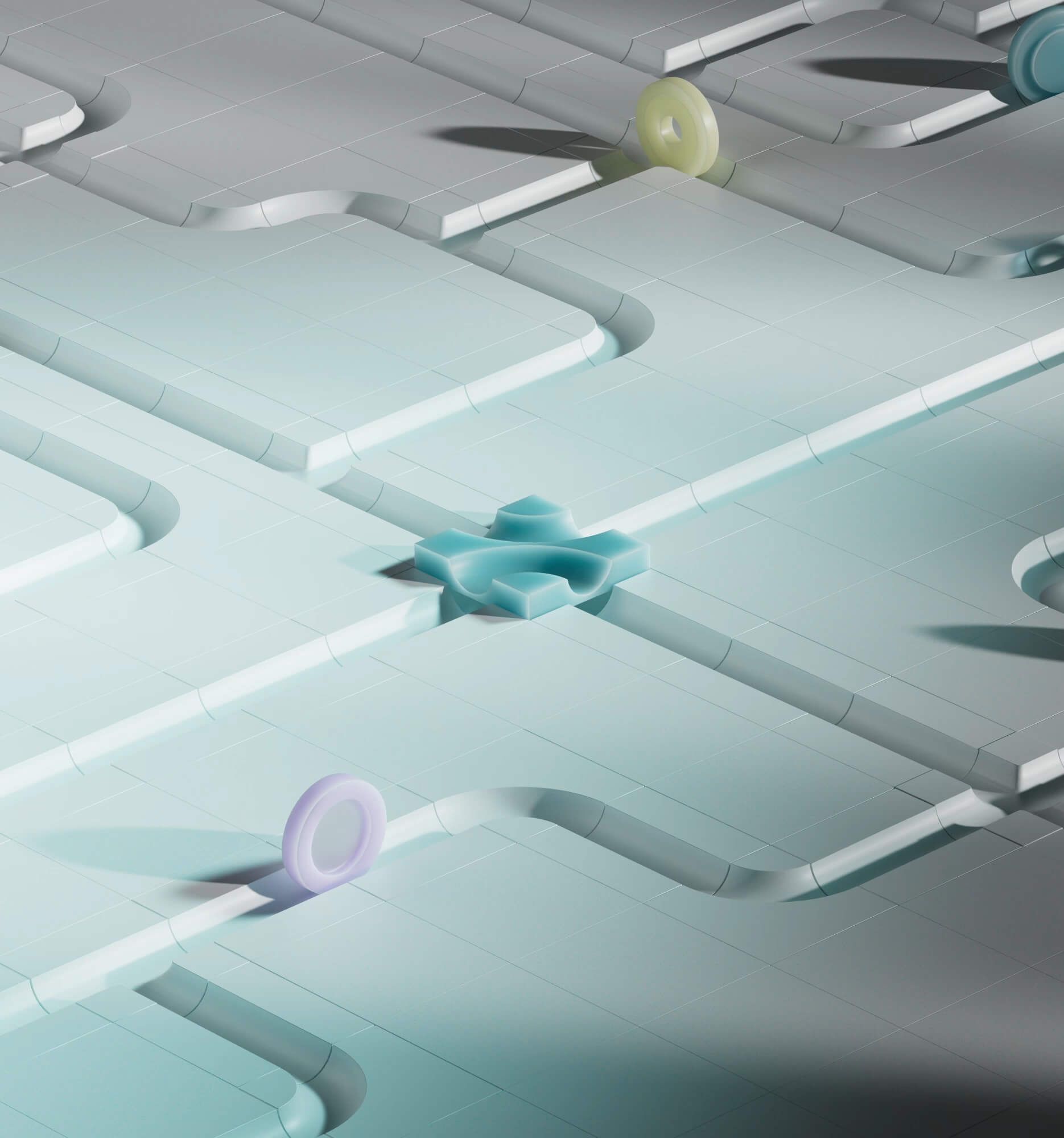
Name an underlying, two strikes, a date and the dollars behind it. The factory opens the pool and hands you back the side you opened rich.

Both coins trade like any other coin from the first block. A coin at 31 cents is the market saying this option finishes 31% of the way to its cap.

At expiry a Chainlink feed is read once. The call side takes its share of the dollar and the put side takes the rest, and that is the end of it.

n.003WHYn.003
  • Collateralized
  • Bounded
  • Permissionless
  • Final
n.004WHEREn.004
n.005QUESTIONSn.005

FAQ

The mechanism is small enough to explain completely. These are the questions it usually raises first.
Two ERC-20 coins and a pool between them. One is a call spread struck between the two strikes, the other is the put spread that is exactly its complement, and one dollar of USDG is posted against every pair that exists.
Because the payoff has a ceiling. A plain call can owe its writer an unbounded amount, which is why plain calls need margin and liquidations. Capping the payoff at the upper strike caps the liability at a dollar, so the dollar is simply posted up front.
No, including by whoever launched it. A market has no owner and no setters: nobody can move a strike, change an expiry, take the collateral or stop a trade. The factory owner can stop new launches, and can do nothing whatsoever to a market that already exists.
The market stays unsettled, and a call and a put still merge back into a dollar at par. A broken feed can stop a market resolving, but it cannot trap the collateral, because the collateral was never anywhere except the market’s own balance.
One percent of the dollars in a trade, charged on the way in and on the way out, split down the middle between the creator of the market and the protocol. Nothing is charged on a split, a merge, a settlement or a redemption, so the collateral itself is never taxed and a holder who never trades never pays.
Question
What is actually being launched here?
Why can a coin like this be fully backed?
Can a market be paused, edited or cancelled?
What happens if the oracle breaks?
What does it cost to trade?
n.006LAUNCHn.006

Two strikes and a date. Launch one.

Launch a market